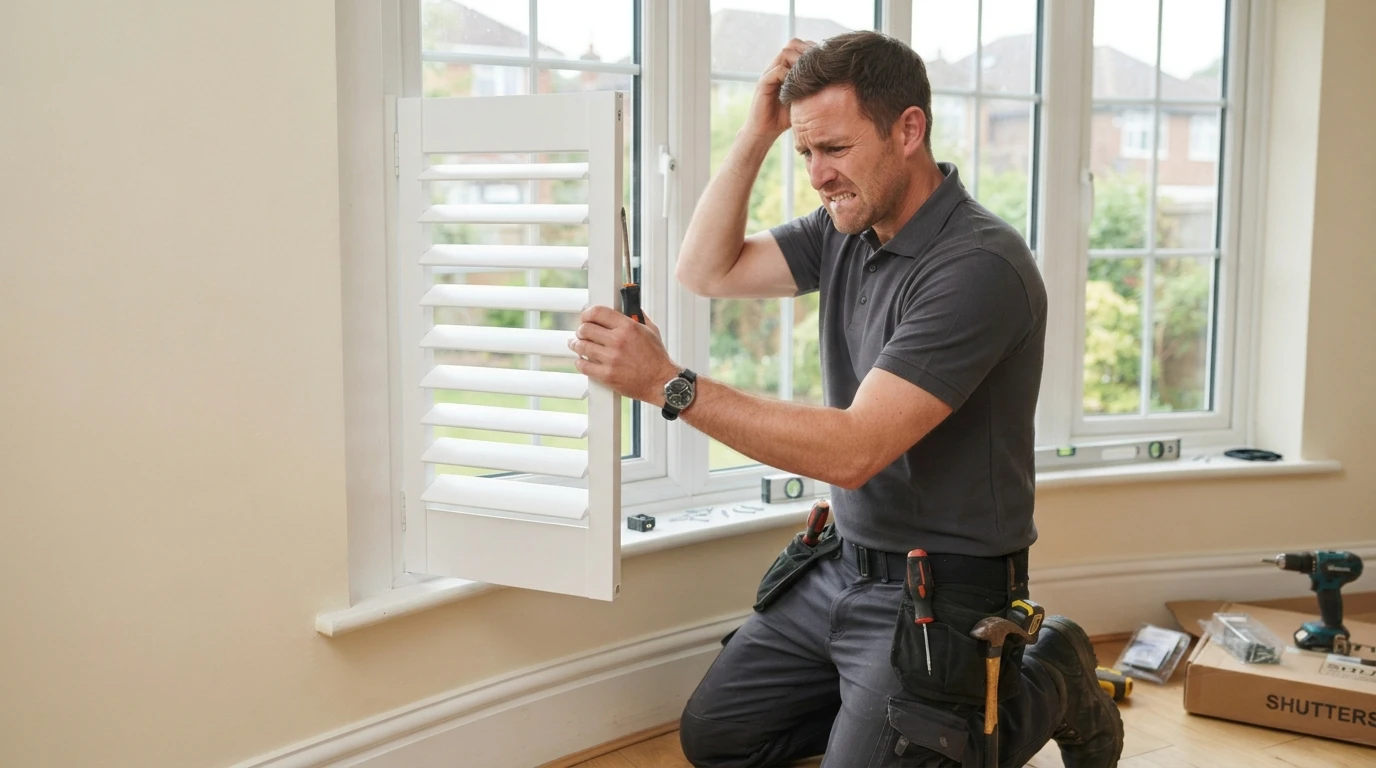
Fitting shutters can be a perfectly manageable project, particularly if you’re working with standard rectangular windows and reasonably straightforward openings. Many people choose to measure and install their own shutters and with careful preparation, the right tools and a little patience, there’s no reason why you can’t achieve a good result.
However, not every window is quite so accommodating. Older properties, unusual openings and awkward features around the window can all introduce challenges that aren’t immediately obvious when you first consider fitting shutters.
Even relatively small details can make a difference to how the shutters fit, how easily they operate and how they look once installed. Understanding some of the more common challenges beforehand can help you prepare properly and decide whether it’s something you’re comfortable tackling yourself.
Uneven windows, walls and reveals
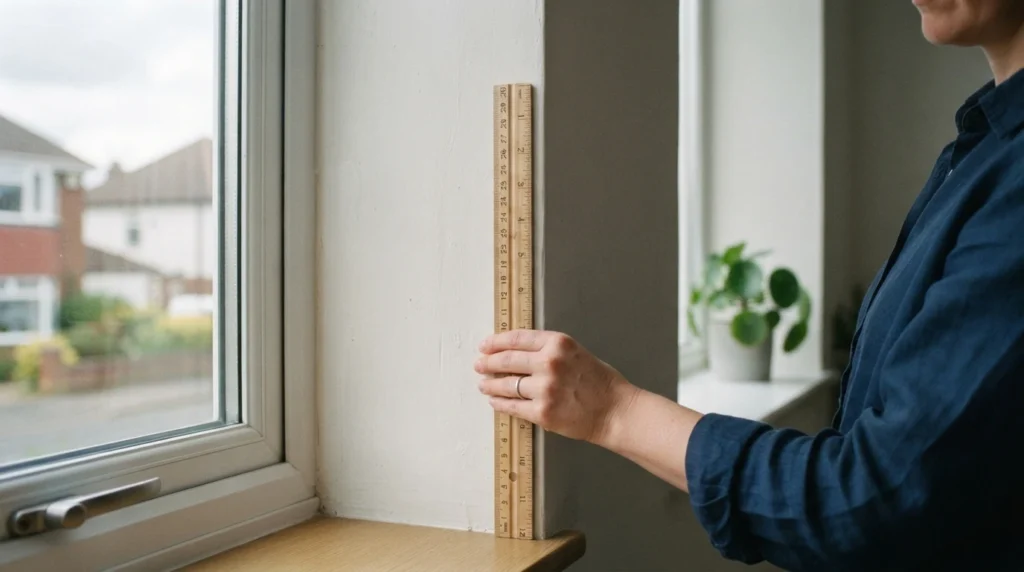
One of the first challenges you might encounter is finding that your window opening isn’t perfectly square. This is particularly common in older properties, where buildings may have settled over time and window openings can have slight variations in width, height or shape.
The walls and reveals surrounding the window may also be uneven. You might find that one side is slightly bowed, the top isn’t level or the depth of the recess varies from one point to another.
These differences can affect how the shutter frame sits within the opening and whether the finished installation looks neat and properly aligned. Simply measuring the width and height in one place isn’t always enough to identify potential problems.
Taking measurements at several points helps reveal any variations, while checking the condition of the surrounding surfaces gives you a better idea of what you’re working with. The choice of frame and how it is fitted can then be adjusted to suit the opening.
Small irregularities are often perfectly manageable, but more significant differences may require some additional thought and experience to achieve a good result.
Working around handles and other obstructions
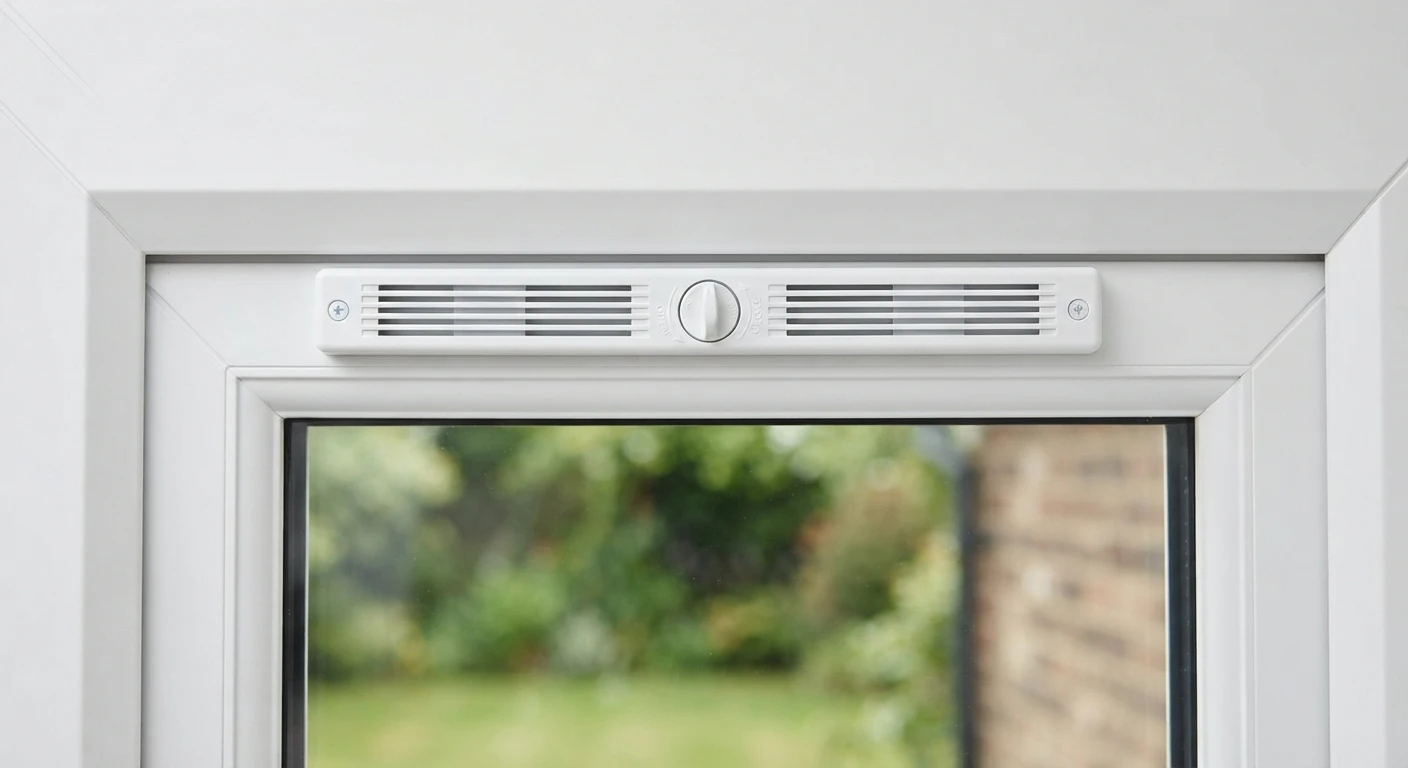
Window handles, locks and other fittings can sometimes get in the way when planning a shutter installation. This is particularly relevant when shutters are being fitted inside the window recess, where available space can be limited.
For example, a projecting handle might prevent a shutter panel from closing fully, or there may not be enough clearance for the panel to open without catching against the handle or surrounding frame.
There are different ways these situations can sometimes be addressed. The position and type of handle may allow for a different frame arrangement, while cut outs can occasionally be incorporated into the shutter panels to accommodate particular fittings.
It’s important to consider these details before ordering, rather than discovering that the shutters don’t operate properly once they’re installed. You also need to think about how easily you’ll be able to reach and operate the window itself when the shutters are closed or folded back.
What appears to be a relatively minor obstruction can make a noticeable difference to the final design, so it’s worth checking all the clearances carefully.
Fitting shutters to doors
Fitting shutters to doors can involve some additional considerations compared with a standard window installation. Unlike fixed window openings, doors are used regularly, meaning the shutters need to work reliably without getting in the way of everyday access.
The weight of the shutter panels, the positioning of the hinges and the way the panels are arranged all need to be considered. They must be able to open and close comfortably, while allowing the door itself to operate without obstruction.
Handles and other door furniture can also present challenges. There needs to be enough clearance for the shutters to move freely, and the panels may need carefully positioned cut outs to accommodate handles or other fittings.
It’s also important to consider how the shutters will be supported. Larger or heavier panels can place additional demands on the hinges and surrounding frame, particularly where the shutters will be opened and closed frequently.
Getting these details right is important for both the appearance and practicality of the finished installation. A poorly planned arrangement can make accessing the door awkward, whereas a well designed installation should feel natural to use.
Large windows and unusually shaped openings
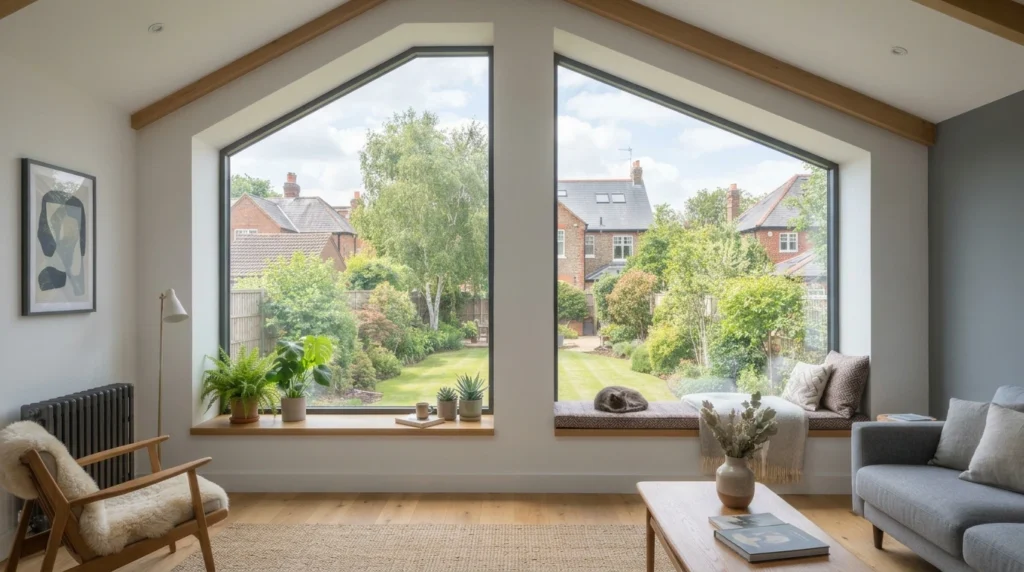
Larger windows can introduce additional challenges because of the size and weight of the shutter panels required to cover them.
Very wide or tall panels may need additional support or a different configuration to ensure they remain stable and operate smoothly. Rather than using fewer large panels, it may be more suitable to divide the opening into several narrower sections.
The material and construction of the shutters also matter. Some materials are considerably heavier than others, so the maximum recommended panel dimensions and the strength of the hinges and frame are important considerations.
Unusually shaped windows can require even more thought. Arched windows, angled openings and other non standard designs may need specially made panels and carefully planned frame arrangements to follow the shape of the opening.
Although many shapes can be accommodated, the available configurations will depend on the shutter system and the dimensions involved. It’s worth establishing what is possible before committing to a particular design, especially if you’re planning to measure and fit the shutters yourself.
Getting the finished installation right
Even when the shutters fit the window correctly and operate as intended, there are smaller details that can make a difference to the overall appearance.
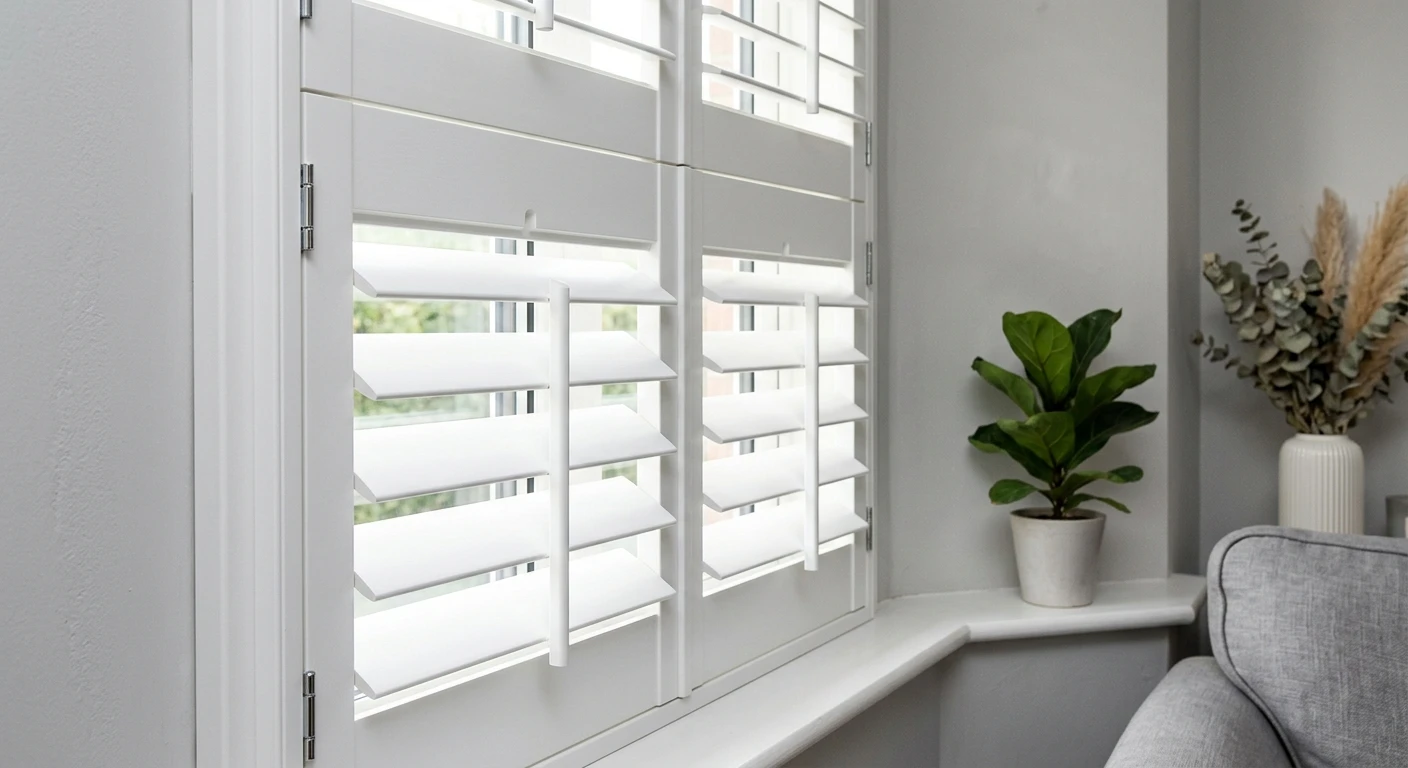
Where several panels sit alongside one another, for example, the positioning of the mid rails can help create a more balanced finish. Aligning them with existing features of the windows or matching their height across adjoining panels can make the installation look more coordinated.
The spacing and proportions of the panels are also worth considering. On wider openings, the arrangement needs to look balanced rather than simply dividing the space into whatever panel sizes are easiest to fit.
Frame alignment, consistent gaps and the way the shutters sit against the surrounding walls all contribute to the finished result. These details might not seem particularly important when you’re first planning the installation, but they can make a noticeable difference once everything is in place.
This is one area where experience can be particularly valuable. Knowing how to deal with small variations and make adjustments during fitting can help achieve a much neater finish.
When the measurements or order are wrong
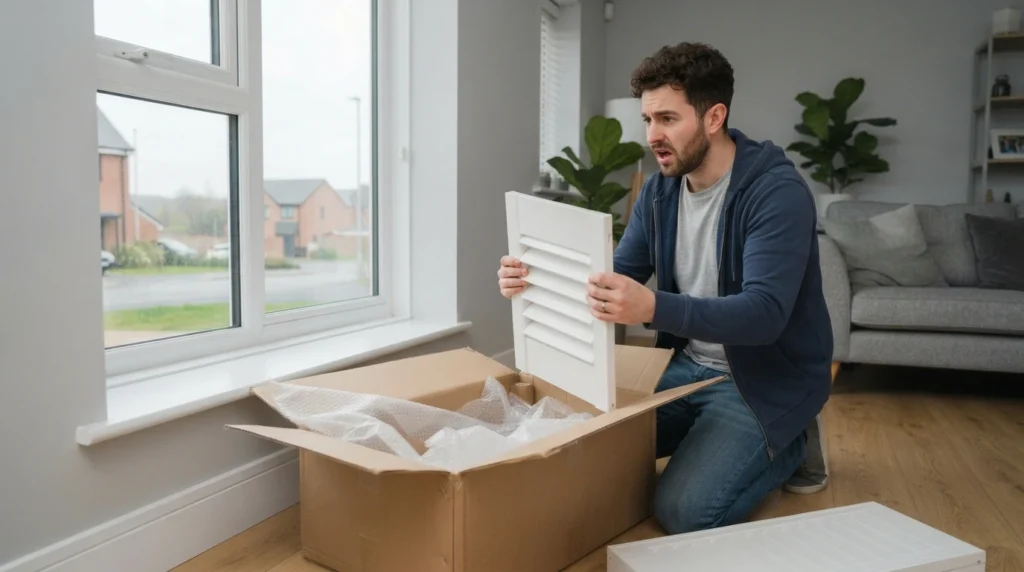
One of the biggest risks when ordering made to measure shutters is getting the measurements or specification wrong. Unlike standard off the shelf products, shutters are manufactured to fit your particular windows, which means there is often very little room for error.
If you discover that a shutter panel is too wide, too narrow or the wrong height when it arrives, it may not be possible to return it simply because it doesn’t fit. Made to measure products are generally excluded from the usual cancellation rights for online purchases, although your rights are different if the shutters are faulty or don’t match the agreed specification. Always check the supplier’s terms before placing an order.
This makes getting the measurements right particularly important. Don’t rush the process or rely on a single measurement where several are needed. Check every dimension carefully, make sure you’ve recorded them correctly and go back over the figures before submitting your order. Double checking is worthwhile, and checking a third time certainly won’t hurt.
It’s also important to make sure you’ve ordered the correct configuration, including the number of panels, opening direction, frame type and any other details that affect how the shutters will fit and operate.
A mistake at the measuring or ordering stage can be expensive and frustrating to put right. Taking a little extra time to check everything before confirming your order is far easier than trying to resolve a problem once your shutters have been manufactured.
When is it worth calling in a professional?
There’s nothing wrong with wanting to install your own shutters. For standard windows with straightforward openings, DIY installation can be a perfectly reasonable option, particularly if you’re confident with measuring, using tools and following fitting instructions.
However, it’s worth recognising when a job might be more complicated than it first appears.
If your windows are significantly uneven, the openings are unusually shaped or you’re unsure how to accommodate handles, doors or heavier panels, getting advice from an experienced shutter installer could save you considerable time and frustration.
A professional will have encountered many different types of windows and installation challenges, and should be able to assess the opening, recommend a suitable frame and panel arrangement and identify potential problems before the shutters are ordered.
You don’t necessarily have to hand over the entire project, either. If you’re planning a DIY installation but have a particular concern about measuring or choosing the right configuration, asking the shutter supplier advice beforehand may help you avoid an expensive mistake.
Ultimately, it’s about being realistic about the job in front of you. Some installations are relatively simple, while others require a little more experience to get right.
A little preparation can make all the difference
Most window openings can accommodate plantation shutters in one form or another, but that doesn’t mean every installation will be straightforward. Uneven walls, awkward fittings, larger panels and unusual window shapes can all introduce additional considerations.
The important thing is to identify these challenges before ordering your shutters, rather than discovering them halfway through the installation.
If you’re confident in your own abilities, there’s no reason why you can’t tackle a more involved project, provided you understand what’s required. But knowing when to seek professional advice is just as important as knowing how to use the tools.
A little extra planning at the beginning can make the fitting process much smoother and help ensure the finished shutters look and work as they should.