
Wooden Shutters
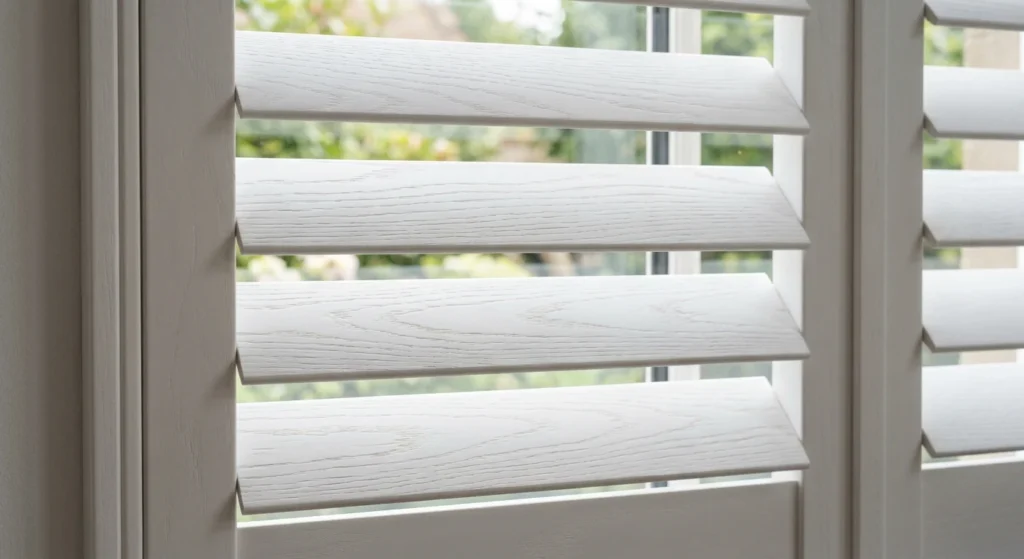
Natural beauty, timeless appeal
Wooden shutters offer a timeless way to dress your windows, combining the natural appeal of wood with the clean lines and adjustable louvres of plantation shutters. Suitable for a wide range of interior styles, they provide a balance of light control, privacy and lasting style.
Versatile styles and finishes
Wooden shutters can showcase the grain and texture of natural timber or feature painted finishes to complement different interior styles.
Adjustable light and privacy
Tilting the louvres allows you to manage incoming daylight, reduce direct views into your home and maintain a degree of visibility outside.
Made to fit your windows
Wooden plantation shutters are made to measure, allowing them to be designed around different opening dimensions and layouts.
Timeless style
Wooden shutters complement a wide range of interiors, from traditional homes to contemporary spaces. Their structured design creates a considered, built in finish around the window.
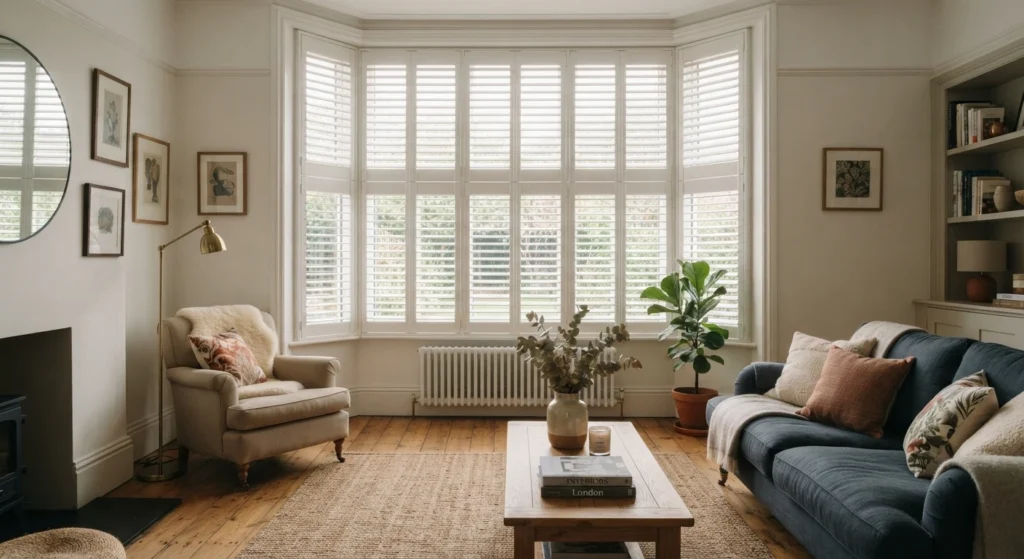
Control over natural light
Adjustable louvres make it easier to change the light entering a room throughout the day, helping you balance brightness with privacy.
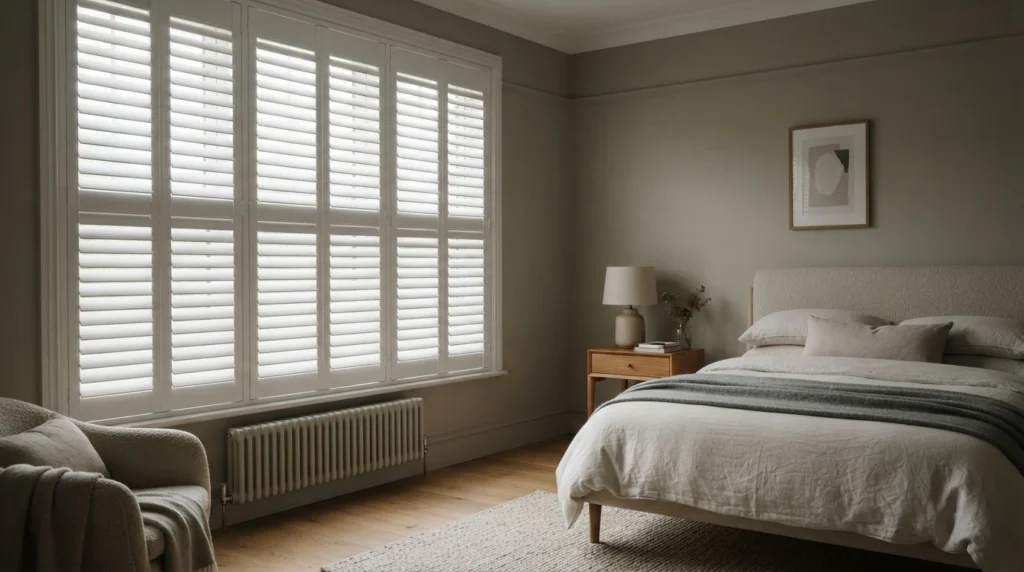
A substantial window covering
Unlike many conventional blinds, wooden shutters have framed panels that create a more substantial appearance. With suitable materials and care, quality shutters can provide a long lasting window covering.
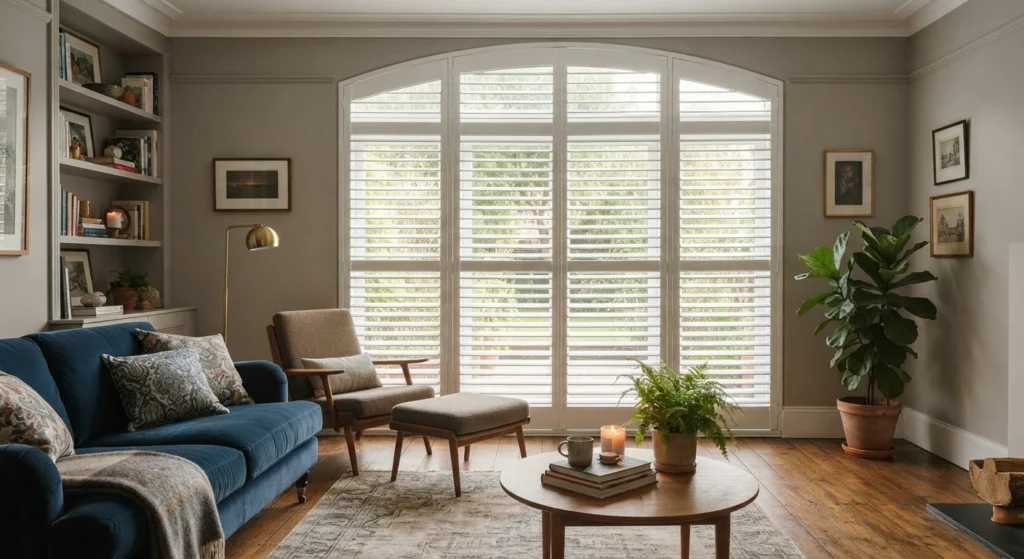
A finish that suits your home
From natural wood tones to painted whites and neutral shades, wooden shutters offer different ways to coordinate your windows with the wider colour scheme and look of a room.
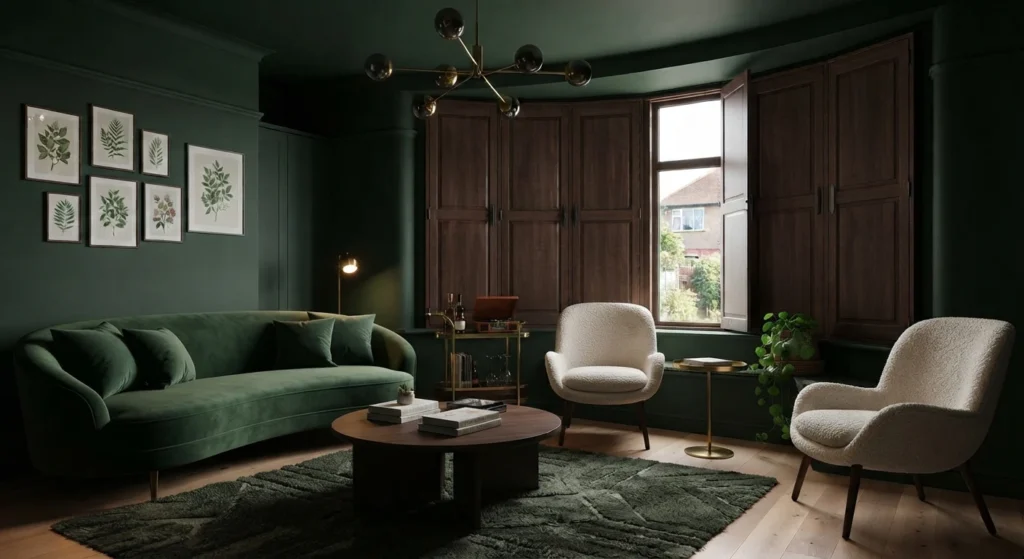
Hardwood shutters
When choosing wooden shutters, the type of hardwood used can make a difference to both their appearance and construction. Different timber species have their own grain patterns, colours, weight and strength, offering a range of characteristics to consider when deciding which wooden shutters are right for your home.
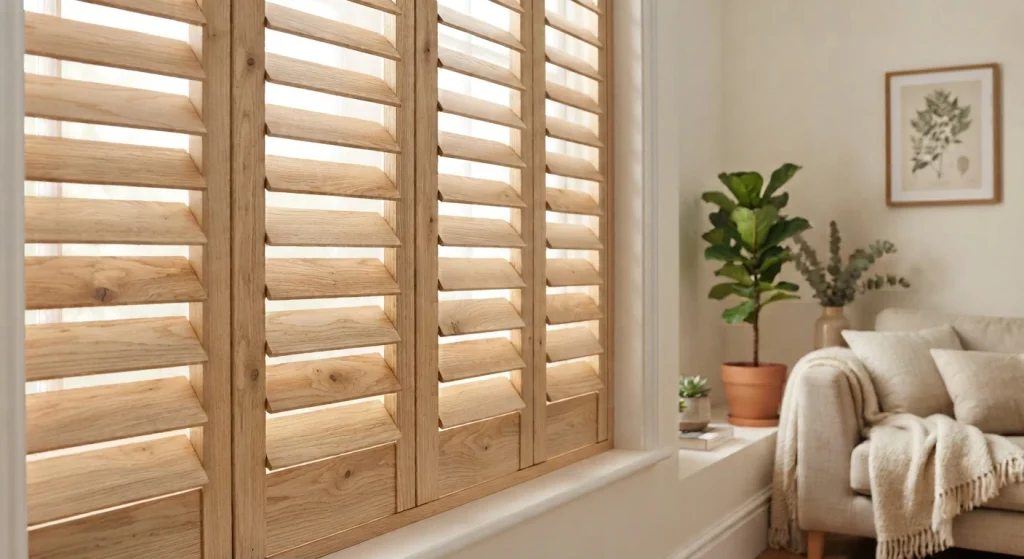
Wooden shutters, fully explained…
Wooden shutters are a popular type of internal window covering, combining the natural appeal of wood with the practicality of adjustable panels and louvres. Fitted within a frame around the window, they provide a structured finish while allowing you to control the amount of light entering a room. Their versatility makes them suitable for a wide range of homes, from traditional cottages and period properties to modern interiors.
Unlike blinds, which typically use suspended slats or fabric, wooden plantation shutters feature solid framed panels that can be opened independently of the louvres. This combination of an opening panel and adjustable louvres gives them a distinctive appearance and a different way of managing light and privacy.
The design and construction of wooden shutters
Wooden shutters are generally made up of a surrounding frame, panels containing horizontal louvres, and hinges that allow the panels to open. The louvres can be tilted together to adjust the light entering the room, while the panels themselves can be opened to provide access to the window.
The construction gives wooden shutters a more substantial appearance than many other window coverings. Depending on the design, the panels can cover the full height of a window or be arranged in sections, offering flexibility in how the shutters look and operate. Louvre sizes, frame styles and panel configurations can all influence the finished appearance and practicality.
The appeal of wooden shutters
One of the main attractions of wooden shutters is their timeless appearance. The clean lines of the panels and the proportions of the louvres create an architectural feature around the window, rather than simply adding another layer of fabric or slats. Natural wood finishes can introduce warmth and texture, while painted shutters offer a more understated look that works with a variety of colour schemes.
Their versatility also makes them suitable for different interior styles. In traditional properties, wooden shutters can complement original features and period details, while in contemporary homes they can provide a simple, uncluttered finish. Because they are fitted to the window, they can also help create a consistent appearance across several rooms.
Controlling light and privacy
Wooden shutters offer different ways to manage natural light and privacy, depending on their design. Plantation shutters feature adjustable louvres that can be tilted to regulate incoming daylight, reduce direct views into your home and retain some visibility outside. Solid shutters, on the other hand, use solid panels rather than adjustable louvres, creating a different look and allowing the panels to be opened or closed as needed.
The level of light and privacy will depend on the shutter style, its fit and how it is operated. While adjustable louvres provide flexibility throughout the day, they do not create a complete blackout, and small amounts of light may enter around the edges or between the louvres.
Durability and everyday maintenance
Wooden shutters are often chosen as a longer term alternative to conventional blinds. Their framed construction gives them a solid feel, and well made shutters can remain in use for many years when properly cared for. Their longevity will depend on the material, manufacturing quality, installation and conditions within the room.
Day to day maintenance is generally straightforward. Regular dusting helps prevent dirt building up on the louvres and frames, while occasional cleaning with a suitable, lightly dampened cloth can help maintain their appearance. Care instructions will vary according to the finish and material, so it is important to follow the suppliers guidance and avoid excessive moisture on products that are not designed for damp environments.
Choosing wooden shutters for your home
When choosing wooden shutters, it is worth considering the appearance you want to achieve alongside the practical requirements of each room. The colour, finish, louvre size and panel arrangement will influence how the shutters look, while the window dimensions and available space will affect how they can be fitted and opened.
The suitability of wooden shutters also depends on the environment. Natural timber and engineered wood products can behave differently when exposed to moisture or changes in temperature, so the material should be appropriate for the intended room. Bathrooms and other humid spaces may require a moisture resistant alternative specifically designed for those conditions.
Accurate measuring and suitable installation are equally important, particularly for bay windows, unusual openings and older properties where window dimensions may not be perfectly square. Taking these factors into account helps ensure the finished shutters look balanced and operate as intended.
Wooden shutters as a long term choice
One of the main advantages of wooden shutters is their ability to combine lasting style with everyday practicality. Their solid construction and timeless appearance make them a lasting feature of the home, while adjustable louvres provide flexibility over light and privacy. Unlike some window coverings that may need replacing as interior styles change, wooden shutters can complement a variety of décor choices over time.
Although wooden shutters require a higher initial investment than many standard blinds, their durability and long term appeal can make them an attractive option for homeowners looking for a window covering that will stand the test of time. The quality of the materials, construction and installation will all influence how well they perform over the years, making these important factors to consider when choosing wooden shutters.