Shutter Parts
Plantation shutters are made up of several different components, each with a specific purpose. From the frame and shutter panels to the louvres, tilt rod and hinges, understanding the different parts can help you see how shutters work, compare the options available and identify the fittings you may need for maintenance, repairs or replacement.

Shutter panels
Shutter panels are the main sections that sit within the frame and cover the window. They can be made in different materials and configurations, with options for full height, tier-on-tier, café style and solid panel designs. The way the panels open and are divided can affect how you use the shutters and control light and privacy.
Shutter louvres
Louvres are the horizontal slats within a shutter panel that can be tilted to control light, privacy and visibility. They are available in different sizes, with larger louvres allowing more light through when open and smaller louvres creating a different appearance. The choice of louvre size can also affect the overall look of the shutters.


Shutter tilt rods
Tilt rods are used to adjust the louvres, allowing you to open and close them together. Traditional tilt rods are positioned on the front of the shutter panel, while hidden tilt systems are built into the shutter and can be operated by moving the louvres themselves. The two options give the shutters a slightly different appearance and feel.
Shutter frames
Shutter frames surround the panels and provide the structure that the shutters are fitted into. Different frame designs can be used depending on the window, how the shutters are being installed and how the panels need to open. The frame can also form an important part of the finished appearance around the window.

Shutter mid rails (divider rails)
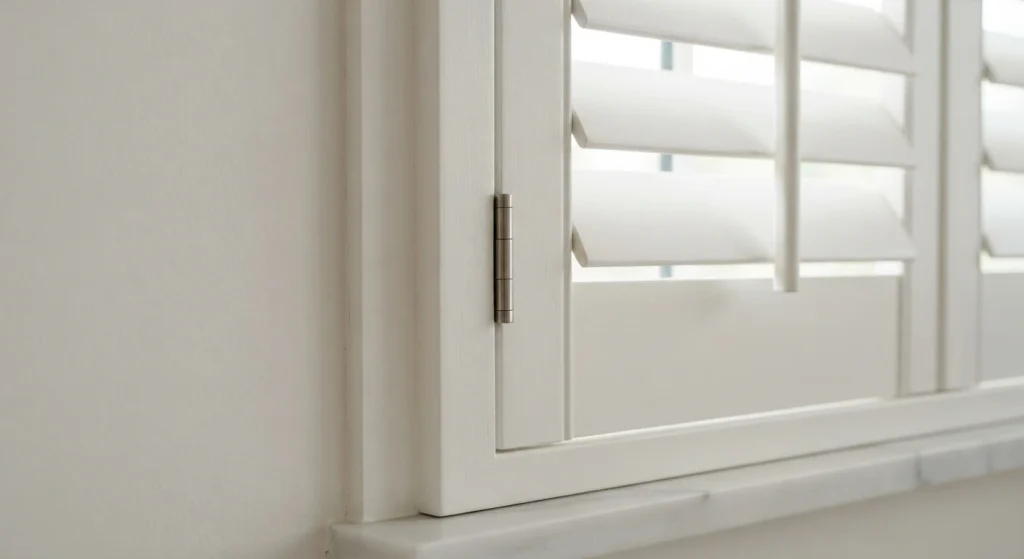
Mid rails are horizontal bars that run across a shutter panel, dividing the louvres into separate sections. They can provide additional structure to taller panels and allow the louvres above and below the rail to be tilted independently on suitable shutter designs. The position of a mid rail can also affect the overall appearance and functionality of the shutters.
Shutter hinges
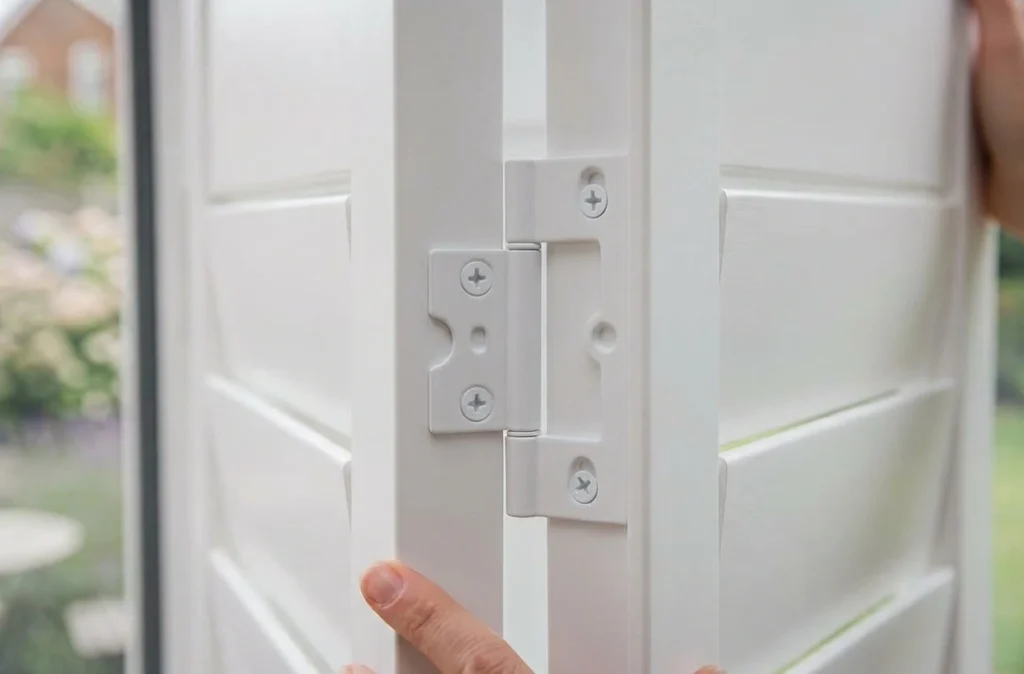
Flush shutter hinges connect panels to the surrounding frame or to adjoining panels, allowing them to open and close. They are available in different designs and finishes to suit the shutter style and installation. The positioning and type of hinge can affect how the panels operate and how neatly they sit when closed.
Shutter ring pulls
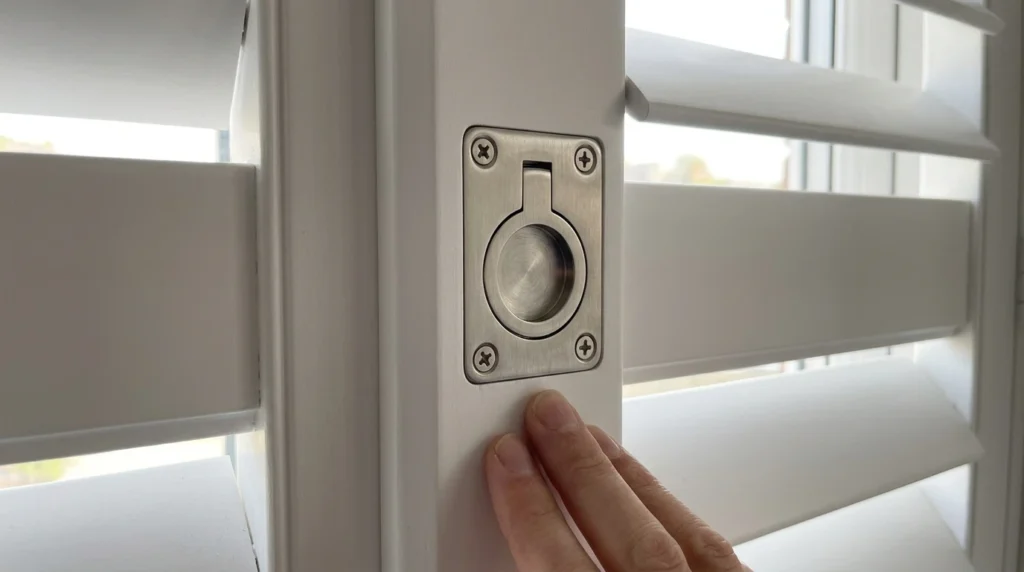
Shutter ring pulls are small handles fitted to shutter panels to make them easier to pull open and closed. They are often discreet in design, helping to maintain the clean appearance of the shutters while providing a practical point to grip. Different styles and finishes can complement the look of the shutters and the surrounding interior.
Shutter bolts & locks
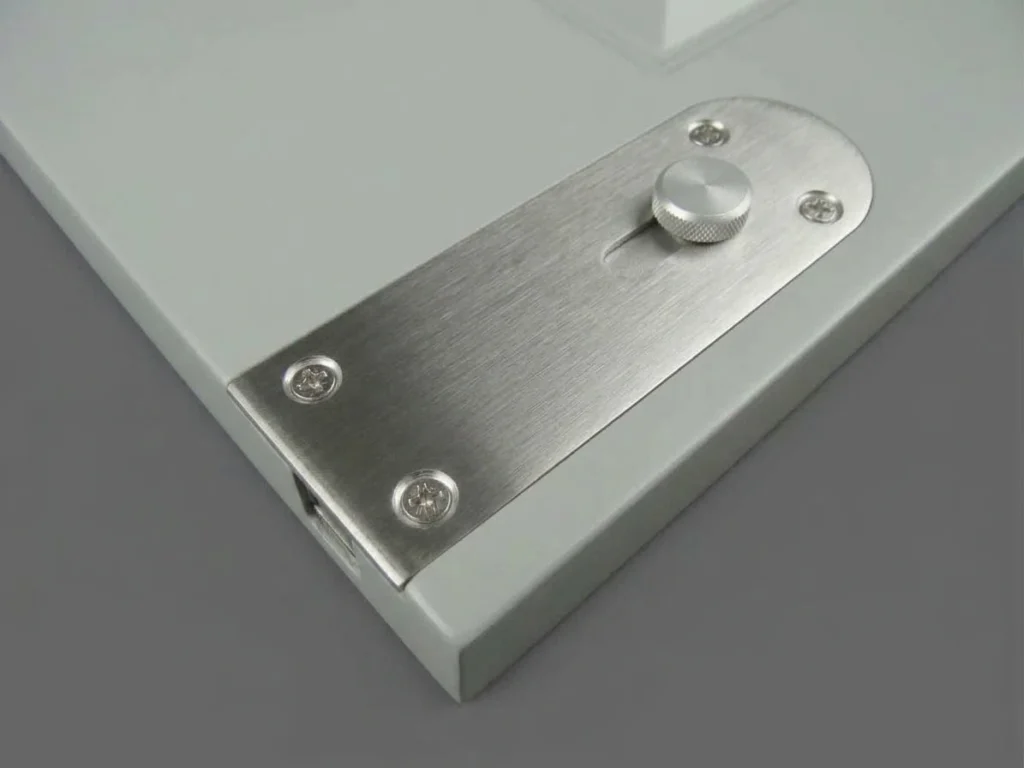
Shutter bolts and locks are fittings used to help secure panels in the closed position. Depending on the shutter design, they may be fitted where panels meet or where additional fastening is needed. Available mechanisms vary by installation, with the choice depending on the panel configuration, ease of use and the level of security or closure required.
Shutter louvre pins
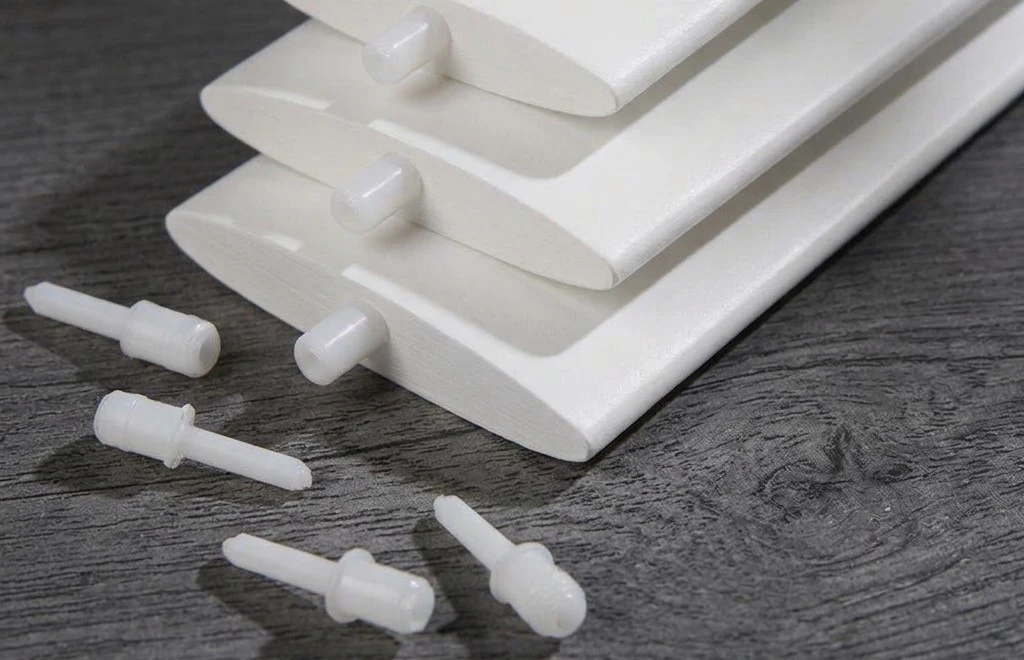
Shutter louvre pins are small fittings used to hold the louvres in position within the shutter panel, allowing them to pivot as they are opened and closed. They help keep the louvres securely attached while allowing smooth movement. The design and material of the pins can vary depending on the shutter system, and they are often available in packs for replacement or repair if existing pins become worn, damaged or loose.
Shutter tilt rod staples
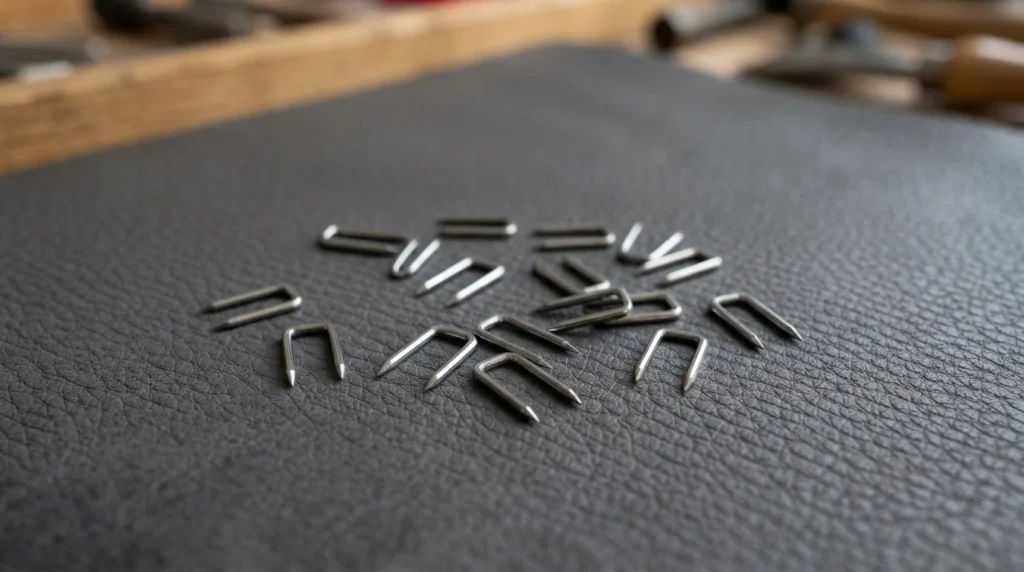
Shutter tilt rod staples are small metal fittings used to connect the tilt rod to the louvres, allowing the movement of the rod to adjust their angle. They help keep the tilt rod securely attached while transferring movement to the louvres so they open and close together. Available in different sizes to suit various shutter systems, they are often sold in packs for replacement or repair.