
Shutter Louvres
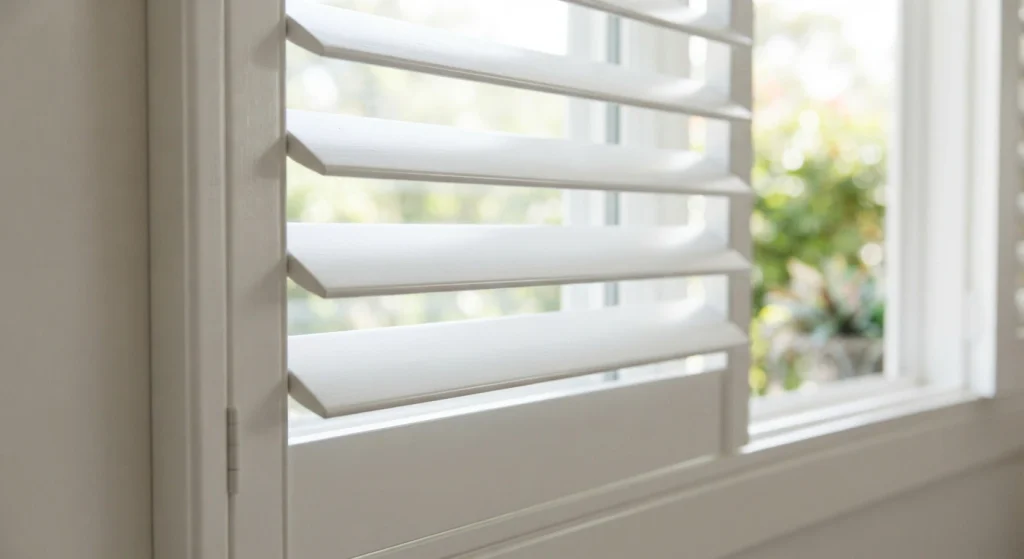
The right louvre size for your windows
The size of the louvres can make a noticeable difference to the appearance and practicality of your shutters. From smaller, traditional slats to wider, contemporary designs, each size offers a slightly different look and view through the window. Understanding the options can help you choose louvres that complement your home and suit your needs.
47mm louvres
The smallest option in the range helps create a finer, more traditional appearance. They can suit smaller windows and interiors where a more detailed shutter design is preferred.
63mm louvres
A relatively compact louvre size that balances a traditional look with practical light control. It can be a versatile choice for a range of window sizes and interior styles.
76mm louvres
A middle sized option that offers a balance between finer slats and wider louvres. It can work well in many homes, providing a considered, versatile appearance.
89mm louvres
Wider louvres create a more open, contemporary look and can provide a broader view outside when tilted open. They are a popular option for larger windows and modern interiors.
114mm louvres
The widest option creates a bold, streamlined appearance with fewer slats across the window. They can suit large windows and spaces where maximising the view through the shutters is a priority.
Shutter louvres, fully explained…
Louvres are the horizontal slats fitted within a shutter panel. On adjustable plantation shutters, they can be tilted to regulate incoming light, manage privacy and alter the view through the window. One of the key decisions when choosing louvred shutters is the size of the slats, as this influences both the overall appearance and how the shutters look when open or closed.
Although louvre size is an important consideration, the best choice will also depend on the dimensions of your windows, the style of your home and your personal preferences.
What difference does louvre size make?
Smaller louvres create a finer, more traditional appearance, with more individual slats across the height of the panel. Larger louvres tend to look more contemporary and create a more open appearance, with fewer slats interrupting the view.
When tilted open, wider louvres can provide a broader view outside. They may also allow a more open outlook between the slats, although the actual view and light entering the room depend on the louvre angle, window position and surrounding conditions.
Smaller louvres are not necessarily better for privacy or light control, nor are larger ones always the right choice for a modern home. Both can be practical options, and the difference often comes down to appearance, proportions and how you want the shutters to look in everyday use.
Choosing the right louvre size for your windows
The size of your windows can help guide your choice. Smaller louvres may complement compact windows or traditional interiors, while wider slats can look well proportioned across larger windows and broad expanses of glazing. However, window size is only one factor to consider when deciding which louvre size to choose, alongside the appearance you prefer and the view you want to retain.
These are general guidelines rather than strict rules. A smaller louvre can work beautifully in a large window if you prefer a more traditional look, while wider louvres can suit smaller windows depending on the proportions and design.
It is also worth considering the room itself. Think about how much of the outside view you want to retain, the amount of natural light you would like and whether you prefer a finer or more substantial shutter appearance.
Light control, privacy and the view outside
Adjustable louvres allow you to change the direction of incoming light without necessarily opening the shutter panels. Tilting them upwards or downwards can help reduce direct sunlight, provide privacy from neighbouring properties and maintain some natural light.
The louvre size affects the appearance of this arrangement, but it does not determine privacy or light control on its own. The angle of the slats, the fit of the shutters and the position of the window all play a part.
Shutters should not automatically be considered a blackout solution. Even with the louvres fully closed, some light may pass around the edges or between components, depending on the design and installation.
Do larger louvres suit every window?
Larger louvres can create an attractive, open look, but they may not be available or suitable for every shutter design. The size and construction of the panels, the dimensions of the window and the manufacturer’s specifications can all influence which options are possible.
For unusually shaped windows or smaller panels, your choice may be more limited. It is worth checking the available sizes for the particular shutter range rather than assuming every louvre measurement can be used with every style.
Finding the right louvre size
There is no single louvre size that suits every home. Smaller slats offer a more traditional, detailed appearance, while larger slats tend to create a more open and contemporary finish. The right choice depends on your windows, the look you want to achieve and how you would like the shutters to function.
If you are unsure, compare samples or view different louvre sizes in person where possible. Seeing the proportions and finish up close can make it easier to decide which option best complements your windows and interior.