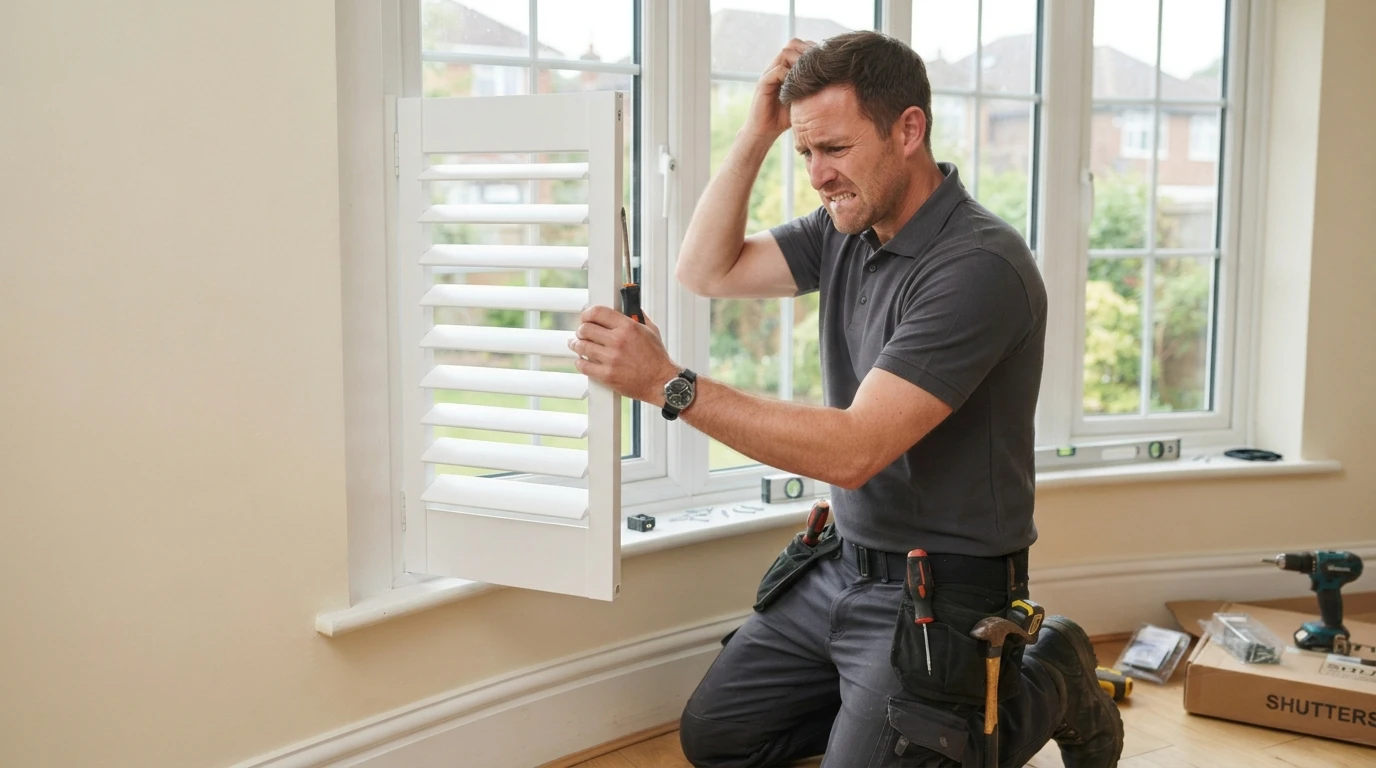
Choosing the right shutter installer is about more than finding a company that supplies the style you like. Accurate measuring, quality workmanship and good communication all play an important part in achieving a finish that looks right and works well for years to come.
With several businesses to choose from, it can be difficult to know who to trust, particularly when prices, products and services vary. Taking the time to look at previous work, understand what is included in a quote and ask the right questions can help you make a more informed decision and avoid problems further down the line.
This guide covers the key things to look for when comparing shutter installers, from checking their experience and customer reviews to understanding payment terms, installation standards and aftercare.
Where to look for shutter installers
A good starting point is to research companies that supply and fit shutters in your area. Online searches, local business directories and independent review platforms can help you build a shortlist of potential installers. You can also ask friends, family, neighbours or colleagues whether they have had shutters fitted and would recommend the company they used.
Personal recommendations can be particularly useful because you may be able to see the finished installation in person and ask about the experience from the initial consultation through to fitting. Find out whether the company arrived when expected, communicated clearly and dealt with any issues professionally.
When looking online, remember that the first results are not necessarily the best installers. Some listings are sponsored adverts that businesses pay to appear in prominent positions, while others are natural search results based on the search engine’s ranking system. Neither guarantees the quality of a company’s work, so look beyond the top listings and compare several installers. Some may be based nearby, while others travel to your area regularly and have plenty of relevant experience.
Before arranging a consultation, check that the installer covers your location and is willing to undertake the type of project you have in mind. This is particularly important if you have several windows, a large bay window or unusual shapes that may require more specialist work.
Check reviews and examples of previous work

Customer reviews can offer useful insight into how a shutter installer operates, but it is worth looking beyond the overall rating. Read a selection of recent reviews and look for specific comments about the quality of the installation, communication, punctuality and how the company handled any problems.
Detailed feedback is generally more helpful than a series of brief, enthusiastic comments. Pay attention to whether customers describe the whole experience, including what happened after installation, rather than focusing solely on the initial sale.
It is also worth looking at photographs of completed projects. These can give you an idea of the installer’s workmanship, the types of windows they have worked with and the range of shutters they supply. Look for clear images of the finished panels, frames and details around the window, rather than relying entirely on polished promotional photographs.
If you have a particular type of window, such as a bay, an arched opening or a large set of patio doors, try to find examples of similar installations. Experience with these designs can be especially valuable because accurate measuring, panel proportions and clearances may require additional care.
No single review or photograph tells the whole story, but a consistent record of positive feedback and relevant completed work can help build confidence in a company.
Consider experience and local reputation
How long a company has been trading can provide useful context, particularly if it has a history of supplying and installing shutters. However, time in business alone is not a guarantee of quality. A newer specialist may have excellent product knowledge and skilled fitters, while an established company may offer a wider range of services and more extensive experience.
What matters most is relevant experience and evidence that the company can deliver the work it promises. Ask how much of its work involves shutters specifically, rather than general window coverings, and whether its team has experience with your type of windows and preferred design.
It can also be helpful to understand who will carry out the installation. Some companies use their own fitting teams, while others work with subcontractors. Neither arrangement is automatically better, but you should know who is responsible for the work and who you would contact if anything needs attention afterwards.
A company that regularly works in your area may also have a useful understanding of local properties and common window types. Check its actual service area rather than assuming that a nearby business will cover your postcode or that a company based further away will not.
Compare quotes and understand what is included
Price is an important consideration, but shutter quotes can be difficult to compare if they cover different products or services. Before making a decision, check that each quote is based on a similar specification.
The quote should clearly set out the type of shutters being supplied, the materials, colours and finishes selected and the work involved in measuring and fitting them. Check whether any additional charges may apply, such as those for unusually shaped windows, difficult access or changes to the agreed specification.
Ask whether the price includes the initial survey, delivery, fitting, finishing work and removal of any existing window coverings, if required. If something is not included, establish whether it is necessary and how much extra it might cost.
For made to measure shutters, accurate measuring is particularly important. The installer needs to consider the dimensions and shape of the window, available fixing space, handles, sills and other potential obstructions. A clear explanation of the measuring and fitting process is reassuring, especially if your windows are not straightforward.
It is also sensible to ask whether the quote is fixed or subject to change, and what circumstances could lead to additional costs. Getting these details in writing can help avoid misunderstandings later.
Why the cheapest quote is not always the best
A significantly cheaper quote may be tempting, particularly if you are fitting shutters throughout several rooms. However, it is worth understanding why the prices differ before choosing the lowest figure. The difference might reflect the material, construction, finish, product specification or level of service included.
A higher price does not automatically mean better quality either. The aim is to understand what each installer is offering and whether the price represents good value for your requirements.
If one quote is considerably lower than the others, ask the company to explain the difference. A reputable installer should be willing to clarify the specification and costs without making you feel uncomfortable for asking questions.
Check payment terms and installation timescales
Before committing, make sure you understand the payment arrangements. Ask how much is required upfront, when the remaining balance becomes due and whether payments are linked to particular stages of the project.
Made to measure shutters are manufactured to fit your windows, so a deposit may be required before production begins. The amount and terms can vary between companies. Make sure you understand what happens if you cancel, if the order needs to change or if there is a delay.
Be cautious if you are asked to make a large payment without clear written terms, or if the payment arrangements change unexpectedly. You should receive a written order or contract that records the agreed products, price, payment schedule and relevant conditions.
Timescales matter too. Ask how long the process is expected to take from the initial survey to installation, including manufacturing and delivery. Lead times can vary depending on the product, supplier and time of year, so an estimate is more realistic than an unconditional promise of a very quick turnaround.
Find out how delays will be communicated and whether the installer will contact you if the expected fitting date changes. Clear expectations at the beginning can make the whole process much less stressful.
Look for helpful advice and a suitable range of shutters

A good installer should do more than take measurements and provide a price. They should be willing to understand your needs, explain the available choices and help you find a design that suits your home.
This might involve discussing shutter styles, comparing louvre sizes, choosing colours and finishes, or deciding which material is suitable for a particular room. If you have a kitchen or bathroom window, for example, the installer should be able to explain which products are suitable for the moisture and condensation levels in that environment.
The range of products available is worth considering, but a company does not need to offer every possible design to be a good choice. What matters is whether it can supply a suitable product for your windows and explain any limitations clearly.
For unusual windows, such as arches, angled openings or complex bays, ask whether the installer has experience with made to measure designs. Bespoke shutters can require careful planning, so relevant examples and practical advice are particularly valuable.
Pay attention to how the company approaches the consultation. A helpful installer will listen to your preferences, explain the pros and cons of different options and give you time to decide. Be wary of anyone who dismisses your concerns, avoids straightforward questions or pressures you to place an order before you feel ready.
Check installation quality and the fitting team
Even well made shutters can disappoint if they are measured or installed poorly. The fitting process plays an important role in how the panels look, how smoothly they operate and how well the finished installation suits the window.
Ask how the company checks measurements before the shutters are manufactured and who is responsible for ensuring the panels fit correctly. For more complex windows, it is particularly important that the installer understands the space available, the position of the fixings and the clearance needed for panels to open properly.
You can also ask what happens on installation day. Will the team protect the surrounding area, explain any preparation you need to do and check that the panels open, close and adjust correctly before leaving? Will they tidy the work area and show you how to operate and care for the shutters?
A professional installation should leave the shutters properly aligned, securely fitted and working as intended. Minor adjustments may occasionally be needed, but the company should explain how these will be handled.
Reviews and photographs can help you assess workmanship, although they cannot guarantee the quality of your own installation. Asking about the fitting process and the company’s responsibility for any problems gives you a clearer picture of what to expect.
Understand warranties and aftercare
A reliable shutter installer should be clear about what support is available after the work is completed. Although shutters are designed to be a long term window covering, you may need advice, an adjustment or assistance with a fault at some point.
Check what warranty comes with the shutters and what it covers. Product warranties may apply to particular materials, components or manufacturing defects, while installation workmanship may be covered separately. The length and terms can vary, so read the details rather than assuming every part of the installation is covered.
It is also worth asking how to report a problem, who will deal with it and whether there could be a charge for a call out or adjustment. If the installer and manufacturer are separate businesses, establish who is responsible for coordinating any warranty claim.
Good aftercare does not necessarily mean that problems will never occur. It means you know where to turn if something does go wrong and can expect a clear response. An installer who explains its aftercare arrangements before you order is giving you a better understanding of the service you are buying.
Red flags to watch out for
Most problems can be avoided by asking questions and checking the details before committing. However, certain warning signs deserve particular attention.
Be cautious if a company:
- Pressures you to sign immediately to secure a discount or claims an offer will disappear without giving you time to consider it.
- Provides a vague quote that does not clearly identify the products, installation work or additional charges.
- Makes promises about delivery or installation that seem unrealistic and will not explain the expected timescales.
- Cannot provide convincing examples of previous work or gives unclear answers about its experience with shutters.
- Avoids questions about deposits, cancellation terms, warranties or who is responsible for installation problems.
- Has no clear business contact details.
A single concern does not necessarily mean an installer is unreliable, and genuine businesses can have occasional negative reviews or delays. Look at the overall picture, ask for clarification and consider whether the company responds openly and professionally.
If you feel rushed, cannot get clear answers or are unsure what you are agreeing to, there is no need to proceed. Taking more time to compare alternatives is usually better than committing to a project you do not feel comfortable with.
Choosing the right shutter installer for your home
Finding a reliable shutter installer involves looking beyond price and location. Customer feedback, relevant experience, the quality of previous work, clear quotes and dependable aftercare all contribute to a more informed decision.
It is worth comparing a few suitable companies, asking similar questions and checking that each quote covers the work you expect. Take time to understand the products being offered, the payment terms and the likely timescale, and make sure you know who will carry out the installation and deal with any issues afterwards.
Ultimately, the right installer is one who understands your requirements, provides clear and realistic advice, and gives you confidence in both the shutters and the service. By doing a little research before placing an order, you can make a more confident choice and give your new shutters the best chance of looking and working well for years to come.