
Solid Shutters
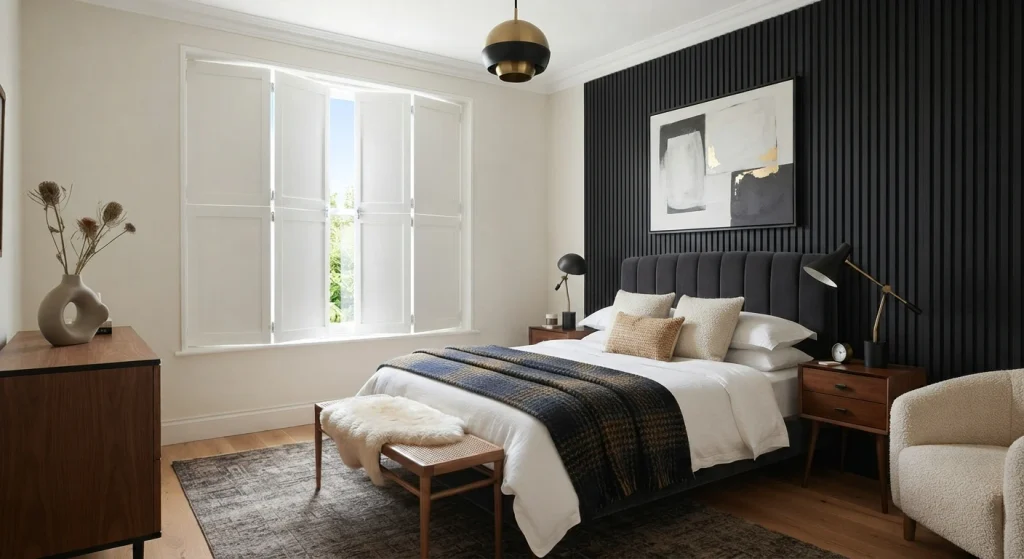
Traditional style with a stronger sense of privacy
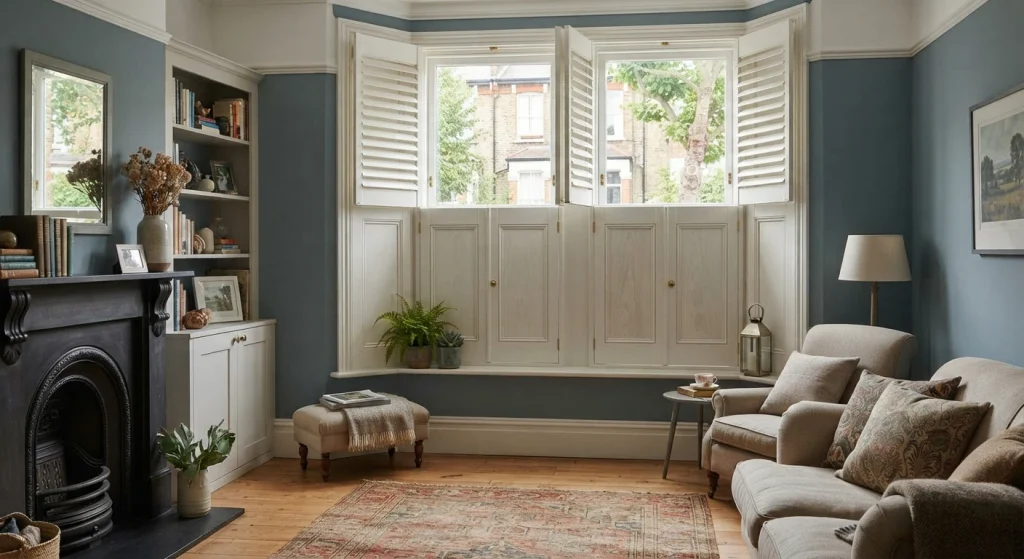
Solid panel shutters use solid sections rather than adjustable louvres, creating a distinctive traditional look while providing excellent privacy and the ability to block out much of the incoming light. They can be used across an entire window or combined with louvred sections to create a more flexible design.
Solid shutter finishes
Available in a wide range of painted and stained finishes, from traditional whites and neutral shades to natural wood tones and more contemporary colours. The larger uninterrupted panels can also make the finish particularly noticeable within the room.
Solid shutter materials
Solid shutter panels can be manufactured from a range of materials, including hardwood and engineered materials. The most suitable option will depend on the size and configuration of the panels, the room they are being installed in, the desired appearance and budget.
Rooms
They work particularly well in bedrooms, living rooms, dining rooms and other spaces where privacy and reduced light are priorities. They can also be combined with louvred sections or other shutter styles to suit rooms where more adjustable light control is required.
Reduced incoming light
Solid panels can block a significant amount of direct light when closed. They can therefore be useful where you want a darker room, although the amount of light that remains will depend on the shutter design, frame and any gaps around the panels.
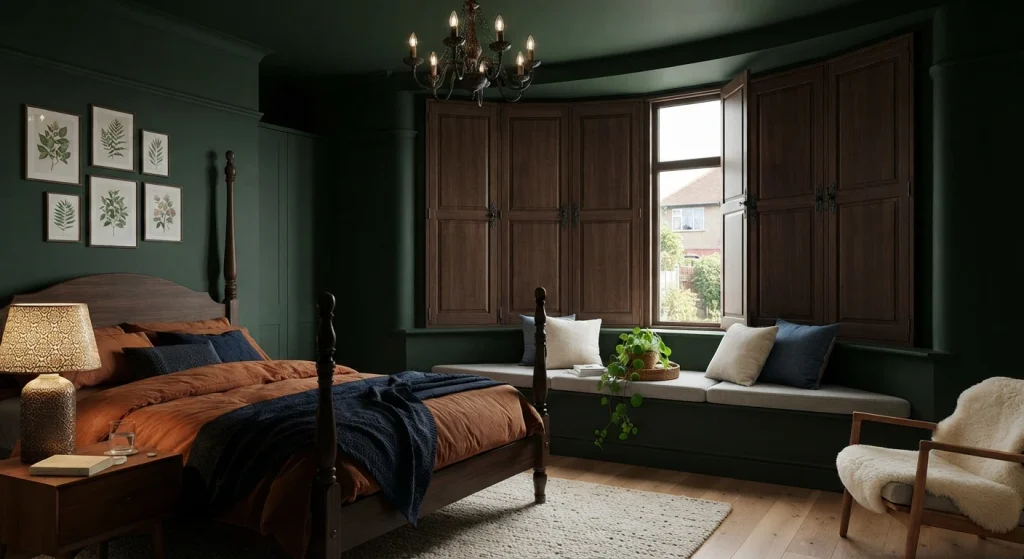
Strong privacy
When closed, solid panels provide a continuous barrier across the window, limiting visibility into the room. This can make them particularly useful for bedrooms and windows where privacy is a priority.
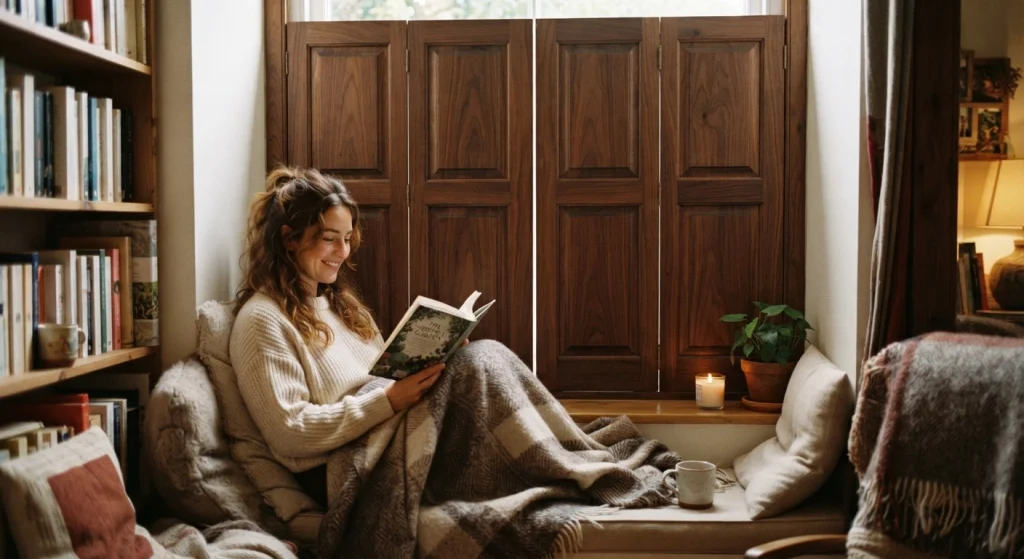
A traditional appearance
Solid shutters have a distinctive panelled appearance that can complement period properties and traditional interiors particularly well. They can also be used in contemporary homes where a simpler, more architectural look is preferred.
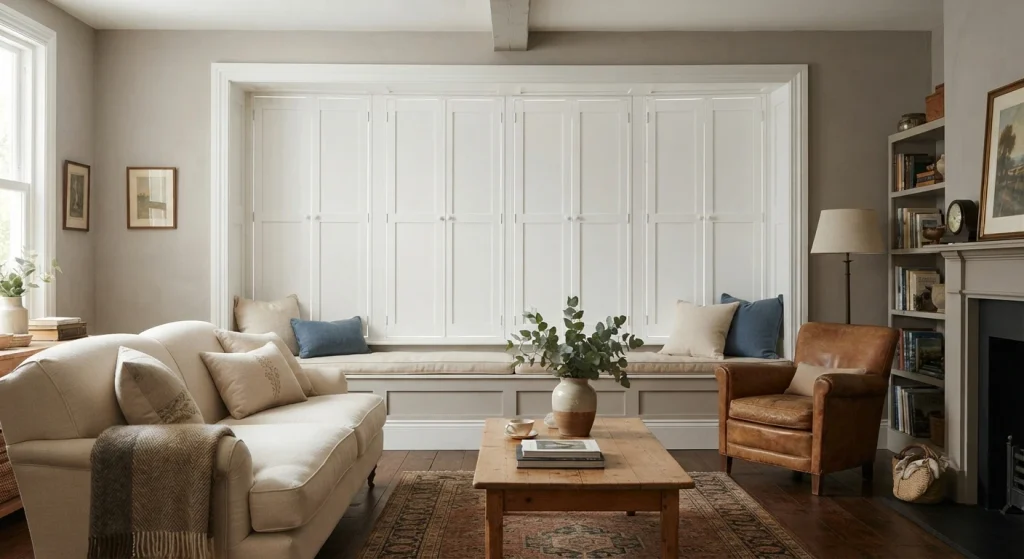
A versatile combination
Solid panels don’t necessarily have to cover the entire shutter. They can be combined with louvred sections to create a configuration that provides privacy and reduced light in some areas while retaining adjustable light control elsewhere.
✓ Solid shutter pros
- Excellent privacy – Closed solid panels provide substantial coverage across the window and restrict views into the room.
- Good light blocking – Solid panels can reduce incoming light more effectively than open louvres when fully closed.
- Traditional appearance – Their panelled design can work particularly well with period properties and traditional interiors.
- Can help create a darker room – They can be useful in bedrooms and other spaces where reducing daylight is desirable.
- Can be combined with louvres – A mixed configuration can provide the privacy of solid panels alongside the adjustable light control of louvres.
✕ Solid shutter cons
- Less control over light levels – Solid panels are essentially open or closed, so they don’t provide the same fine adjustment as louvres.
- Can make a room darker – Once closed, they can significantly reduce natural light, which may not suit rooms where daylight is important.
- Less visibility through the window – Closed solid panels prevent you from looking outside, unlike adjustable louvres which can provide a view while maintaining some privacy.
- More visually substantial – The larger solid panels can have a stronger presence than louvred shutters and may not suit every interior.
- Not necessarily the best option for every window – Large panels can become substantial in size and weight, so the window dimensions and shutter configuration need to be considered.
Solid panel shutters, fully explained…
Solid panel shutters use solid sections rather than rows of adjustable louvres, creating a different look and feel from the more common louvred shutter styles. When the panels are closed, they provide substantial coverage across the window, helping to restrict views into the room and reduce the amount of light entering.
Combining solid panels with louvres
The solid panels can be used across the full height of a window or combined with louvred sections to create a more flexible configuration. For example, solid panels can be used where privacy or reduced light is most important, while louvred sections can be incorporated elsewhere to provide adjustable light and visibility.
Privacy and reducing incoming light
One of the main reasons people choose solid shutters is their ability to create a darker and more private room. Unlike louvres, which can still allow some light through their individual sections when closed, solid panels create a much more continuous surface across the window. The actual level of light reduction will depend on the shutter construction, frame and any gaps around the panels, so they should not automatically be considered a complete blackout solution.
A traditional panelled appearance
Solid shutters can also provide a distinctive traditional appearance. They are particularly associated with period and traditional interiors, although their simple panelled design can also work well in contemporary homes. The choice of material, colour, panel proportions and surrounding frame can all affect the overall appearance.
Less adjustment than louvred shutters
Because solid panels do not have adjustable louvres, they offer less flexibility when it comes to controlling light. With louvred shutters, you can alter the angle of the louvres to let in some daylight while maintaining privacy. Solid panels are more straightforward and can be opened to expose the window or closed to provide coverage.
This is why a combination of solid and louvred sections can sometimes be worth considering. A shutter can be designed with solid panels in areas where privacy or reduced light is important, alongside louvres where you want more control over daylight and visibility.
Materials and finishes
Solid shutters are available in different materials, finishes and configurations, allowing them to be tailored to individual windows and interiors. As with other shutter styles, the suitability of a particular material will depend on the room, window size, moisture levels and the construction of the shutter.
Overall, solid panel shutters are best suited to homeowners who prioritise privacy, reduced light and a traditional panelled appearance over fine adjustment of light levels. If you want to maintain a view through the window while controlling light and privacy, louvred or tier-on-tier shutters may offer greater flexibility.